Beyond the Postcard: How to Find a City’s Hidden Prime Square
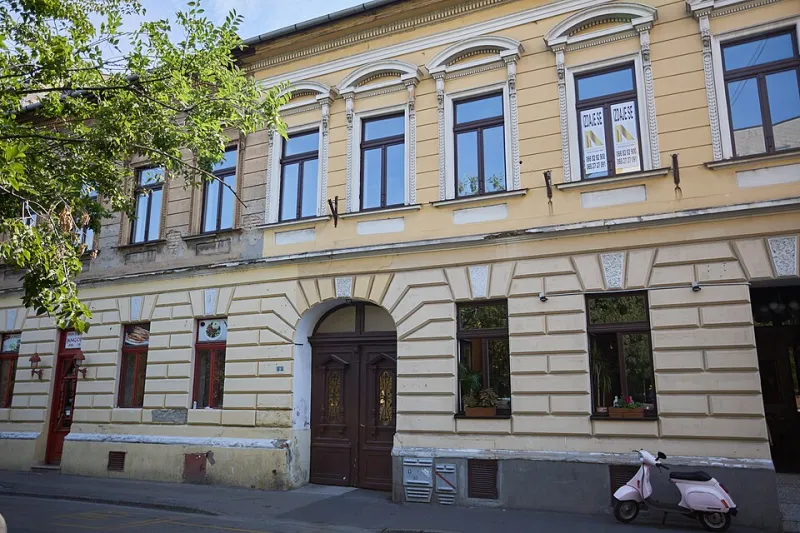
Photo: BojanPavlukovic, CC BY-SA 4.0, via Wikimedia Commons
The property market loves a postcard. The Royal Crescent, the circus, the grand square with a statue in the middle - these are the addresses that sell books and inflate expectations. But the most rewarding square living in the UK is often hiding in plain sight, one street beyond the obvious.
At Eleventh Square, the name is a useful shorthand. In any city there are ten squares that everyone knows. The eleventh is the one that has the architecture, the scale and the location, but not yet the recognition - and therefore not yet the price.
This is an argument for patient, informed looking rather than contrarian buying. The eleventh square is not a bargain because it is poor. It is a bargain because the market has not yet repriced it.
The first ten are priced for recognition
Famous squares carry a recognition premium. They are easier to sell, easier to rent and easier to finance, but buyers pay for those advantages. In 2026, with prime stock still constrained, the gap between the obvious square and the overlooked one remains wide in several UK cities.
The overlooked square often sits on the edge of a regeneration zone. That position is uncomfortable for some buyers and attractive to others. It means construction noise, changing streetscapes and uncertain amenity - but also the possibility of improvement. The skill is to distinguish between an area that is merely cheap and one that is about to become more valuable.
What an overlooked square looks like
The first clue is architectural quality. A coherent terrace, a consistent roofline and a well-proportioned garden are not accidents. They suggest a square that was planned with care and may have been neglected rather than fundamentally compromised.
The second clue is scale. The eleventh square is usually small enough to feel like a neighbourhood but large enough to have a shared garden or a defined street frontage. It may not have a private key, but it should have a sense of enclosure.
The third clue is leasehold structure. Older squares often carry complex leases, apportionments and management arrangements. These can be a source of risk, but they can also be a source of value if they are well understood. A square with a proactive management company and a healthy reserve fund is more attractive than one with a low service charge and no plan for repairs.
The fourth clue is incoming amenity. A new transport link, a restored park, a school expansion or a cultural project can change the trajectory of a fringe address. The eleventh square is often close to such a project but not yet associated with it.
Four cities, four clues
Liverpool: the Georgian Quarter fringe
Liverpool’s Georgian Quarter is well known, but the smaller squares on its fringe are less so. Falkner Square and the surrounding streets offer a mix of Georgian and later housing, with pockets of real quality. The appeal is proximity to the city centre and the university, combined with a scale that feels residential rather than institutional. Buyers should look closely at lease length, repair liabilities and the condition of shared areas.
Newcastle: Grainger Town and beyond
Newcastle’s Grainger Town is a showcase, but the city also has smaller residential squares and terraces on its edges that offer similar architectural quality without the same price. The key is to check the management arrangements and the realism of service charges. A square that looks affordable can become expensive if the roof, stonework or railings need attention.
Sheffield: the Westbourne edge
The edge of Westbourne and Broomhall has long attracted buyers who want space and character close to the city centre. Small squares and communal gardens here are not as famous as the city’s larger parkside addresses, but they can offer a better balance of price and potential. The market is sensitive to student demand and to the condition of older housing stock, so diligence is essential.
Edinburgh: the New Town fringe
Edinburgh’s New Town is priced for its reputation. The fringe, around Bellevue and Pilrig, offers a different proposition: smaller squares, quieter streets and a short walk to the centre. The architecture can be excellent, but the leasehold and factoring arrangements vary widely. Buyers should compare factor fees, repair obligations and the condition of common parts before assuming that a fringe address is better value.
How to spot the eleventh square
- Walk the square at different times of day and week.
- Read the title and the lease before you fall for the architecture.
- Ask for the last three years of service charge accounts and the reserve fund.
- Check planning applications within a short radius.
- Look for committed, funded amenity rather than aspiration.
- Speak to residents about management, noise and maintenance.
- Compare price per square foot with the famous squares nearby.
- Test the exit: would a buyer in five years see the same appeal?
The discipline of waiting
The eleventh square rewards patience. Prices may not move quickly, and the market may take time to recognise quality. That is not a reason to avoid the address; it is a reason to buy carefully. The best opportunities are often in squares where the architecture is sound, the management is competent and the surrounding area is improving without losing its character.
The risk is equally clear. A small square can be vulnerable to a single poor conversion, a neglected garden or a freeholder who lacks a plan. The eleventh square is not a guarantee of value. It is a framework for looking.
The view from Eleventh Square
Square living is not only about grandeur. It is about the relationship between a house, a shared space and a city. The famous squares will always have their appeal, but the most interesting addresses are often the ones that have not yet been fully discovered. In Liverpool, Newcastle, Sheffield and Edinburgh, the eleventh square is hiding in plain sight. The task for buyers and renters in 2026 is to see it before the market does.
