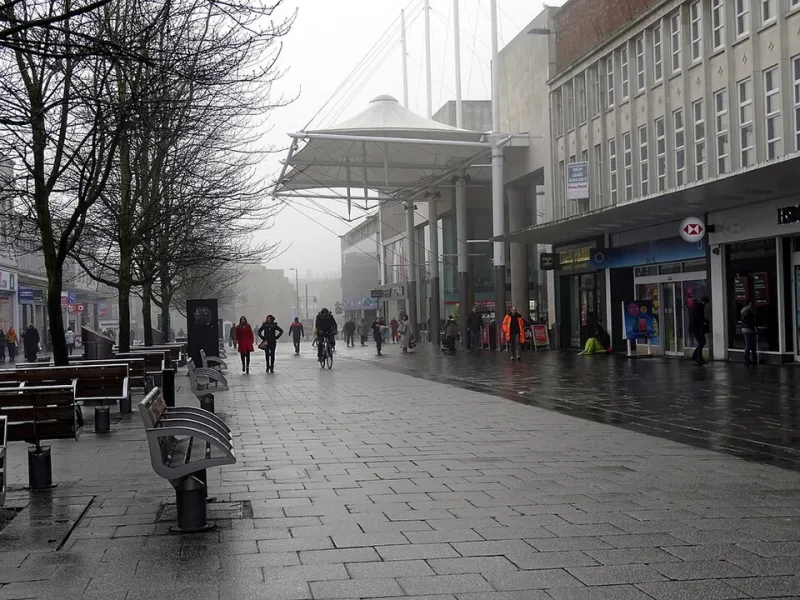
After Dark: The Night-Time Signals That Separate a Well-Run Square from a Sleepless One
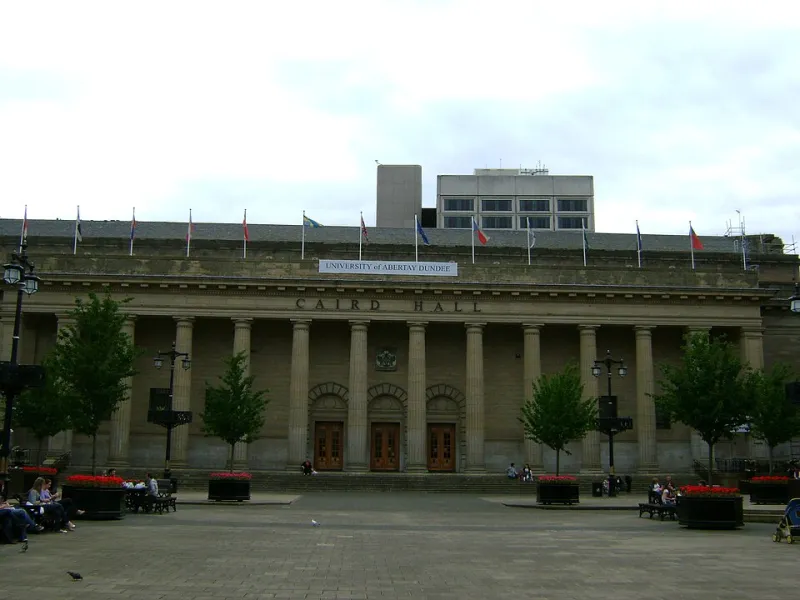
Photo: Kilnburn (talk) 22:32, 7 July 2009 (UTC), Attribution, via Wikimedia Commons
A prime square is often sold on its daytime image: mature trees, ordered railings, a communal garden at its most photogenic. But the address has a second shift. After dark, the square becomes a test of management, manners and municipal licensing. Late deliveries, pub gardens, short lets, security lighting, refuse collections and resident messages all leave clues about whether a square is quietly controlled or simply hoping for the best. In 2026, those clues are becoming part of the value story.
The after-dark economy of the square
Britain’s prime squares rarely sit in isolation. They border high streets, hotels, restaurants and licensed premises. They contain houses converted into flats, professional offices and short-let apartments. They are crossed by couriers, night buses and residents returning late. The evening economy that makes a city centre attractive during the day can become a source of friction at 11pm.
The market is beginning to price that friction more explicitly. A square with a clear approach to deliveries, waste, lighting and licensing is easier to insure, easier to manage and easier to let. A square where noise complaints are routine and bin stores overflow after dark carries a less visible discount: it may deter long-term renters, complicate sales and absorb management time. Night-time management is no longer a footnote to service charges; it is part of the asset’s operating performance.
Reading the clues before the viewing ends
A daytime viewing is insufficient. Buyers and renters should return at night, ideally on a Friday or Saturday and again on a weekday, to observe the square under different pressures. Listen for amplified music, extractor fans, delivery bikes and late conversation. Look at how light falls: are security lights directed at pathways and doors, or do they spill into bedrooms? Are communal areas evenly lit, or does one dark corner become a gathering point?
Check the practical details. Are delivery riders using a designated route, or are they improvising across front gardens? Is there a visible parcel store, and is it secure? Are bin stores closed and lit, or left open to foxes and wind? If the square has a pub or restaurant nearby, ask about closing times and whether the garden is used in summer. If short lets are present, look for key boxes and notice how guests behave at the entrance. These small observations reveal more than a glossy management brochure.
Resident WhatsApp groups are another signal, though a nuanced one. A group that coordinates deliveries and shares practical notices suggests a functioning community. A group that exists mainly to log noise complaints may indicate a deeper management gap. Neither is decisive on its own, but together with management company minutes and local licensing records, they help build a picture of how the square is run after hours.
Why nighttime governance is becoming a valuation factor
Prime city living is increasingly about managed complexity. The more uses a square contains, the more important its operating rules become. Clear delivery windows, allocated bin storage, sensible lighting and enforceable lease covenants reduce the risk of dispute. They also protect the square’s daytime appeal: a place that is calm at night tends to remain calm at breakfast.
For investors and landlords, night-time management affects rental performance. Tenants who work shifts, travel or have young children are sensitive to noise and light. A well-run square can command a modest premium because it offers predictability. A poorly run one may let quickly at first, then suffer shorter tenancies and more turnover. For owner-occupiers, the effect is less financial but no less real: a sleepless square erodes the pleasure of a prime address.
The regulatory backdrop matters too. Local authorities continue to review licensing, short-let registration and waste collection in city centres. Squares that can demonstrate good management are better placed to navigate those changes. Those that rely on informal tolerance may find that a single complaint or a change in licensing policy alters the evening atmosphere quickly.
The postcard needs a night view
Eleventh Square’s view is that prime square living should be judged across the whole day. The frontage may win the initial interest, but the night shift reveals whether the address is genuinely well managed. Before committing, ask for the management pack, check the licensing register, speak to residents and walk the square after dark. The right square is not the one that looks best at noon; it is the one that still feels composed when the city switches on its lights.