The Civic Sitting Room: How Square Furniture Signals Management and Access
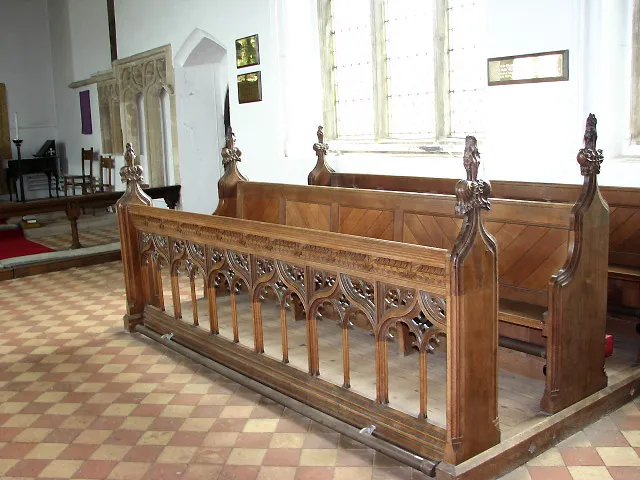
Photo: Evelyn Simak, CC BY-SA 2.0, via Wikimedia Commons
On a first viewing of a prime square, attention naturally goes to the house: the ceiling heights, the sash windows, the condition of the brick. The square itself is often treated as a backdrop. That is a mistake. The furniture of the square — the benches, noticeboards, bins, bollards and cycle stands — is among the most honest evidence available to a buyer or renter. It shows how the space is governed, who is welcome, and whether the management is attentive or merely present.
Position Is Policy
Begin with where the benches sit. A bench placed on the public highway edge, facing outward, tells a different story from one set inside the garden railings and facing a lawn. The first suggests a square that offers a pause to passers-by but keeps its private garden at arm’s length. The second implies a shared amenity, accessible to those with keys or permission. If every bench inside the garden is bolted down, chained or removed altogether, the message is restriction. If seating is plentiful and unfixed, the management may be more relaxed — or simply less careful about security. Neither is automatically better, but the pattern should match the tenure and the title.
Look also at orientation. Benches that face the sun, or that are placed under mature trees, are usually the result of someone thinking about comfort. Benches arranged in a straight line with no regard for view or shelter can be a sign of furniture installed to satisfy a condition rather than to serve a community.
Maintenance as a Management Diary
A bench is a small object with many points of failure: slats, fixings, paint, feet, and the ground beneath. Run a hand along a slat; look for fresh screws, recent staining, or the grey grain of untreated timber. Check the base for movement. A square that repairs its benches promptly is likely to repair its drains, railings and paths promptly too. A square that leaves a bench to rot in a prominent position is telling you that the maintenance regime is reactive, underfunded, or both.
The same applies to bins. An overflowing bin on a Sunday evening may simply reflect a busy weekend; an overflowing bin on a Tuesday morning suggests a collection schedule that does not match use. Bollards and cycle stands matter too. Matching furniture across a square implies a single management hand. A hotchpotch of donated benches, mismatched bins and ad hoc signage can indicate a committee that is willing but stretched, or a freehold structure in which responsibility is divided.
The Noticeboard Never Lies
The noticeboard is the square’s management diary, and it is often overlooked. A well-run board carries dated notices: garden committee meetings, maintenance schedules, key-collection arrangements, and contact details for the managing agent. It may include minutes or a summary of recent decisions. A neglected board carries faded notices for events long past, a laminated warning about dogs, and no current contact. That is not proof of poor management, but it is a prompt to ask questions.
Read the tone as well as the content. Notices that explain a temporary closure are reassuring; notices that threaten residents are less so. A board that lists a gardeners’ rota and a waiting list for allotment beds suggests an active social structure. A board that is empty or locked may suggest a square where decisions are made elsewhere, by a landlord or agent, with little resident involvement.
Who Sits, and When
Seating is social infrastructure, and its use reveals the square’s real character. Visit at different times. At lunchtime, are benches occupied by office workers from nearby streets? In the afternoon, by parents and dog walkers? At dusk, by residents or by people passing through? The answers help distinguish a private garden that functions as a communal sitting room from a public square that happens to be surrounded by expensive houses.
For buyers, this matters because access and atmosphere affect value. For renters, it matters because the tenancy agreement may not include the garden at all. If the benches inside the railings are used freely by non-residents, either the garden is public or the management is failing to enforce its rules. If the benches are pristine but never used, ask why: perhaps the garden is rarely opened, or perhaps the seating is reserved for a narrow group. Neither is necessarily a defect, but both should be understood before signing.
Questions to Put to the Agent
Ask who owns the benches and who maintains them. Ask whether the seating falls within the demise of the property or within the shared garden. Check the title plan and any garden covenant. For renters, ask whether the tenancy includes a key to the garden and whether seating is part of the let. Ask how the garden committee is constituted and how decisions about furniture are made. A managing agent who can answer these questions promptly is a good sign; one who cannot may be a warning.
The Quiet Diagnostic
A bench is not a survey, and no single piece of street furniture should make or break a purchase. But taken together — position, condition, notices, use — seating offers a quiet diagnostic of how a square is run. Prime city-square living depends on the quality of shared space, and shared space depends on management. Before you commit, sit down. The bench you are sitting on is already telling you something.