Wind, Frost and the Sheltered Corner: Reading a Square’s Microclimate Before You Buy
Photo: Heather Cowper from Bristol, UK, CC BY 2.0, via Wikimedia Commons
The Climate Within the Square
Prime city squares are often discussed in terms of architecture, address and garden rights. Less frequently examined is the weather that actually settles within them. A square is not simply a set of facades around an open space; it is a small urban landscape with its own wind patterns, frost pockets and damp corners. Two squares separated by a single street can behave quite differently in January, and the difference may be felt at the window, on the pavement and in the annual cost of running a home.
For buyers and renters, microclimate is a due-diligence matter rather than a curiosity. It influences how often a frontage needs repainting, how much heat escapes through a sash window, whether a basement flat feels dry in autumn and whether a courtyard corner remains usable in spring. The audit below is intended to be practical: a series of observations that can be made before exchange or before signing a tenancy, using nothing more elaborate than a notebook, a thermometer and repeated visits.
Start With the Built Form
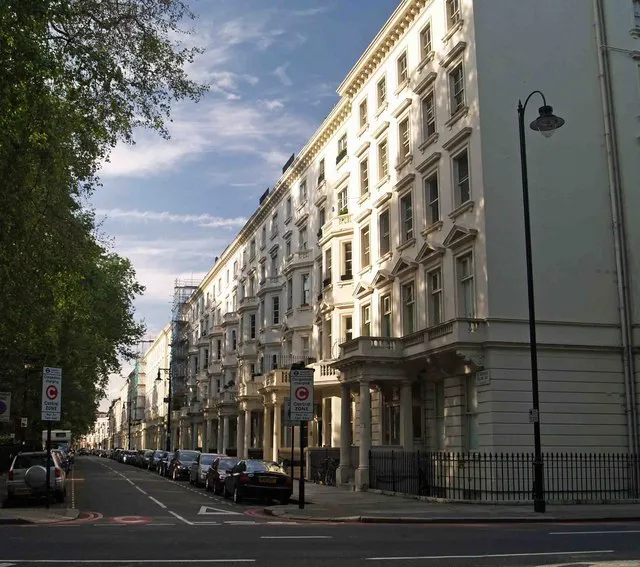
The first influence is the shape of the square itself. Building heights determine how much low winter sun reaches the pavement and how wind is deflected around corners. A uniform terrace may create a comparatively calm enclosure, while a square with a tall block at one end and a low mews range at the other can generate pressure differences that accelerate air through gaps.
Look closely at breaks in the frontage. An opening used as a service lane, a passage to a rear garden or a gap between detached villas can act as a wind funnel. On a breezy day, stand at the downwind side of such an opening and note whether litter, leaves or dust gather there. Persistent accumulation is a useful indicator of regular funnelling. The same applies to corner houses, which may take the brunt of wind from two directions and may also shelter the adjoining terrace.
Test the Wind at More Than One Hour
Wind is not constant, and a single viewing on a still morning can be misleading. Where possible, visit the square on a day with a moderate forecast and observe it at three moments: early morning, mid-afternoon and after dusk. Note where flags move, where tree branches bend and where pedestrians adjust coats or umbrellas. Pay attention to the lee of buildings and garden railings; these are often the places where wind drops sharply.
For a flat or house facing the square, open a window slightly and listen. A low whistle or a draught around the frame may indicate that the facade is exposed to prevailing south-westerlies. In the UK, the prevailing wind is generally from the south-west, so west- and south-west-facing elevations often take more weather. This is not automatically a disadvantage: it can assist ventilation and reduce damp. But it should be priced into maintenance expectations, particularly for timber windows, painted railings and exposed stonework.
Frost Pockets and the Coldest Corners
Frost is a useful diagnostic. On a cold, clear morning, walk the square before the sun has cleared the roofline. Frost will linger longest in shaded, low-lying or poorly ventilated corners. These are the square’s frost pockets, and they matter for steps, ramps, cellars and front gardens. A north-facing basement area that retains frost well into the morning may also be slower to dry after rain.
Check whether salt or grit is stored nearby and whether the square’s management arranges winter treatment. A well-run square will have a routine for icy paths; a neglected one may leave the shaded side treacherous. For renters, ask who is responsible for clearing snow and ice from the approach. For buyers, regard persistent frost as a prompt to inspect drainage, external steps and any below-ground accommodation more carefully.
Damp Corners and the Sheltered Side
Shelter is generally welcome, but too much of it can produce damp. The leeward side of a square, particularly where a tall building or dense evergreen planting blocks air movement, may dry slowly after rain. Look for green staining on stone, blistering paint at low level, moss on paving and a musty smell in hallways or basements. These are not conclusive on their own, but together they suggest a microclimate that holds moisture.
Inspect the base of walls and the edges of paving after wet weather. Water that sits against a facade or in a shaded gully will shorten the life of pointing and render. The presence of a French drain, a raised plinth or a gravel margin can indicate that the issue has been recognised and managed. Absence of these details is not a defect, but it is a reason to ask questions and to commission a damp and timber survey where appropriate.
Trees, Sun and Seasonal Change
Tree cover modifies both wind and light. A mature canopy can soften gusts and provide summer shade, but dense evergreens may trap damp and reduce winter sunlight. Deciduous trees are more seasonally forgiving: they cast shade in July and admit light in December. Note the species and the maintenance regime. A square with a clear tree policy is likely to manage leaf fall, gutter clearance and root damage more predictably.
Visit in at least two seasons if the purchase or tenancy timetable allows. A square that feels airy in June may be gloomy in November. Ask whether the garden committee or managing agent has a tree survey and whether works are scheduled. For a ground-floor or basement property, the difference between a sheltered, sunlit frontage and a shaded one can be considerable in both comfort and heating demand.
From Observation to Budget
Microclimate should be translated into practical expectations. A windy, exposed facade may require more frequent external redecoration and may suffer more draughts. A damp, sheltered corner may need better ventilation and closer attention to gutters and drains. A frost pocket may increase winter maintenance and insurance considerations for external steps. None of these factors need be disqualifying, but they should inform the price, the survey scope and the questions put to the seller or landlord.
The discipline is repetition. A single viewing at midday in a mild month will not reveal how a square behaves in a cold snap or a gale. Return at different hours, in different weather, and speak to residents if the opportunity arises. The square’s own weather is not printed in the particulars, but it is written in the paving, the paintwork and the way people use the space. Reading it before commitment is one of the quieter advantages available to a careful buyer or renter.