The Key and the Covenant: Budgeting for Life on a Private Garden Square
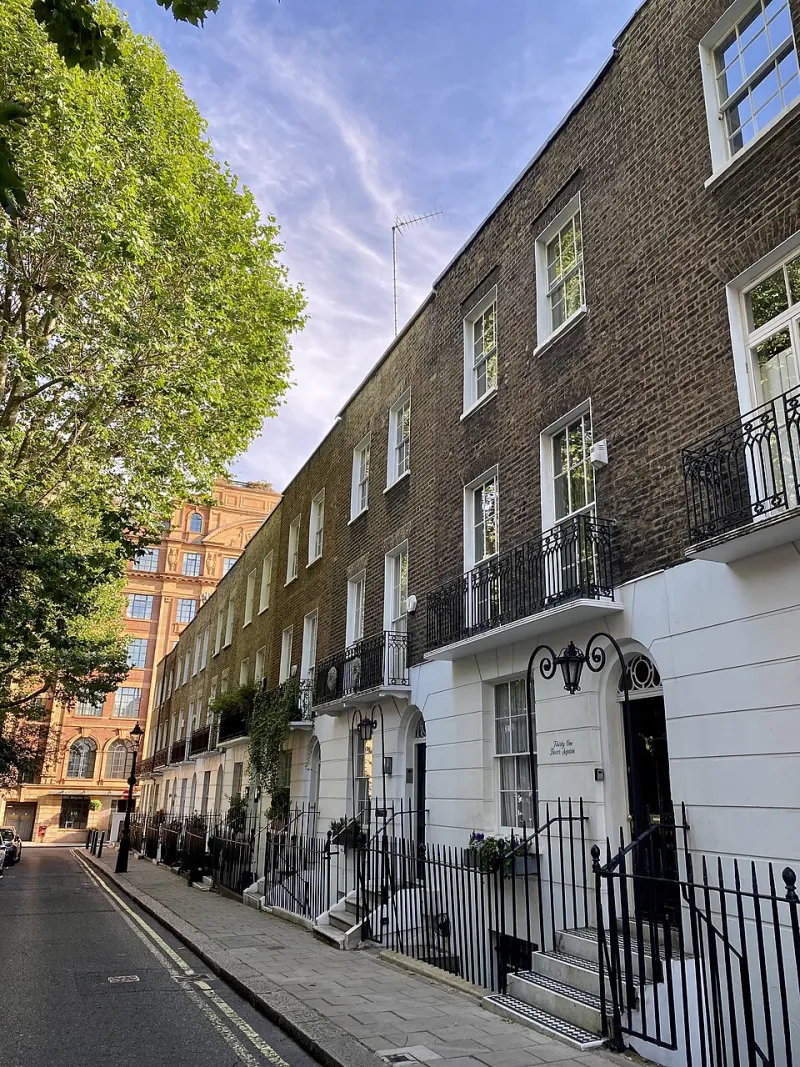
Photo: No Swan So Fine, CC BY-SA 4.0, via Wikimedia Commons
The key to a private garden square looks like a modest piece of metal. In practice it is a membership card for a small communal enterprise. Behind the railings sit a budget, a set of covenants, an insurance policy and a group of neighbours who must agree on everything from tree surgery to deckchairs. For buyers and renters considering prime city-square living in 2026, the postcard is the easy part. The harder task is to understand the obligations that come with the address.
Begin with the legal structure
Not every private square is owned or run in the same way. The garden may be held by a trust, a residents' association, a management company or a freeholder. A lease may grant a right of access, or it may merely permit use subject to rules. A freehold purchase may bring a share in the garden company and a corresponding liability. Before viewing, ask for the title plan, the lease or transfer document, the latest management pack and the garden rules. If the square is managed by a company, request the articles of association and the current service charge budget. The point is not to drown in paperwork but to establish who controls the key, who sets the budget and who can enforce the covenants.
The annual costs beyond the key
The key itself is usually the smallest item. Buyers should expect a key deposit or registration fee, an annual garden subscription and, in many cases, a maintenance levy collected through the service charge. In prime central London, annual subscriptions can run from several hundred pounds to low four figures per household; outside the capital they are often lower, but the principle is the same. The figure matters less than what it includes. Ask whether the subscription covers gardening, tree inspections, insurance, lighting, water, refuse clearance, path repairs and legal and accountancy costs. Ask what it excludes. A square that appears inexpensive may simply be underfunded.
The bills that arrive by special levy
Private squares are old-fashioned infrastructure. Cast-iron railings corrode, gate piers crack, paths subside and drainage fails. Trees require cyclical pruning, surveys and, occasionally, removal. Plane trees may need specialist attention; ash dieback and other diseases have forced difficult decisions in many parts of the country. Repainting long runs of railings is rarely a minor expense. Boundary walls, benches, noticeboards and lighting all have replacement cycles. A healthy reserve fund is therefore not a luxury. It is the difference between a planned programme of works and an unwelcome special levy. Request the last condition survey, the reserve fund balance and any planned works schedule. If the reserve looks thin, budget for a call on capital.
Insurance and liability
Communal gardens carry risks that domestic policies do not automatically cover. Public liability insurance is essential, particularly where events, tours or voluntary working parties take place. If the garden company employs a gardener or contractor, employer's liability and contractor insurance matter. Structures such as shelters, stores or boundary walls may need their own cover. Ask whether the insurance is reinstated annually, whether the sum insured has been reviewed and whether the policy includes tree liability. For renters, check that the landlord's building policy and the garden company's policy do not leave gaps.
Covenants: the fine print of daily life
The covenant is where the romance of square-front living meets the reality of shared space. Rules may govern dogs, ball games, bicycles, barbecues, picnics, deckchairs, music, smoking, commercial photography, filming, short lets and the admission of guests. Some squares restrict access to keyholders only; others allow accompanied visitors at defined hours. Some prohibit dogs altogether; others require leads. Some permit public events; others do not. These are not petty details. They shape how the square feels and how easily a property can be let or resold. Read the rules before exchange, and if renting, read the tenancy and the garden regulations together.
Renting: the key is not always in the tenancy
In England, the Tenant Fees Act 2019 limits most permitted payments, but the treatment of garden keys and subscriptions can still cause confusion. A tenant should have written confirmation of access rights, key arrangements and any separate charge. In Scotland, the position differs, so check the tenancy agreement and service charge arrangements carefully. Where the garden subscription is collected through the service charge, ask for the apportionment. Where it is billed separately, budget for it as a recurring household cost. A landlord may hold the key and pass it on; the garden company may require the tenant to be registered. Clarify this before moving in.
A due-diligence checklist for 2026
- Who owns the garden, and who manages it?
- Is the key transferable, and on what terms?
- What is the current annual budget, and what does it exclude?
- What is the reserve fund balance and the last condition survey date?
- Are there planned works, special levies or disputes?
- What insurance is in place, and who is the named insured?
- What do the covenants say about dogs, guests, events and short lets?
- How are decisions made, and do residents have a vote?
- What access arrangements exist for disabled residents and visitors?
- What happens if a key is lost or a household changes?
Budgeting for the square as a line item
At Eleventh Square, the useful distinction is between the cost of the property and the cost of the address. The garden key is part of the latter. Buyers should stress-test their budget against a realistic annual subscription, a plausible special levy and the possibility of a reserve top-up. Renters should compare the total cost of occupation, not just the headline rent. A private square can add genuine value to daily life, but it is not a free public amenity. It is a shared asset with shared bills. The key opens the gate; the covenant keeps it working.