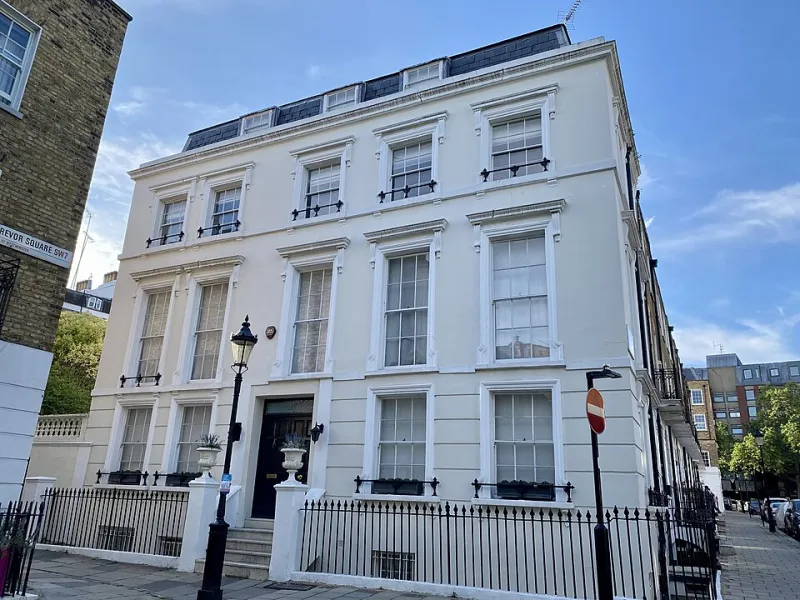
Stones Underfoot, Costs on Paper: Reading a Prime Square's Paving Before You Commit
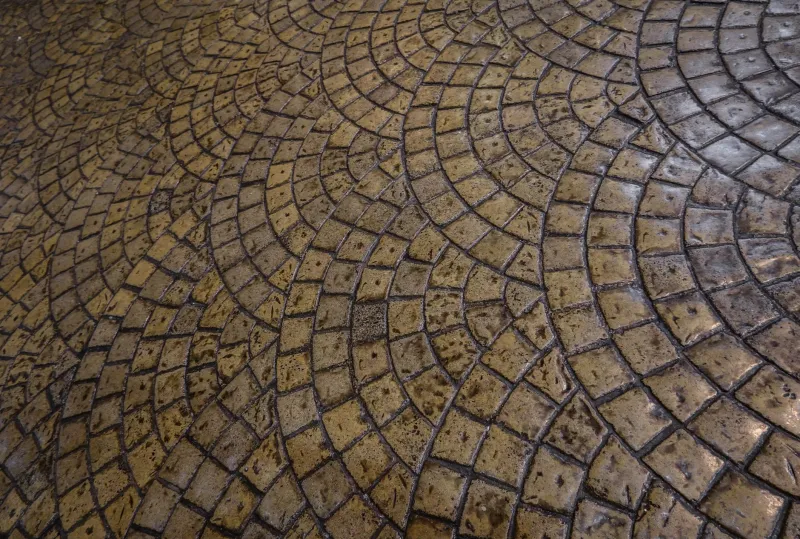
First impressions begin at ground level
A prime square is usually assessed from the front door outwards: the facade, the railings, the garden, the width of the street. Yet the surface beneath a viewer's feet deserves equal attention. Paving is not merely decorative. On a managed square it is a shared asset, a maintenance liability and, in some conservation areas, a regulated surface. Its condition can influence what residents pay each year, what a building owner may be asked to contribute and how readily a property will appeal to the next buyer or tenant.
For anyone considering a purchase or tenancy on a UK square, a methodical reading of the paving is a practical exercise in due diligence. It should not be treated as a hunt for perfection. Characterful wear is part of the appeal of older squares. The aim is to distinguish honest age from deferred repair, and to understand who bears the cost of bringing the surface back into order.
Why the surface is also a financial record
On many private squares, the roadway, footways and central garden are maintained through a service charge. The paving may sit within that arrangement, either as part of the estate's common parts or through a garden committee or management company. Where the surface is original York stone, the cost of like-for-like repair can be substantial. Where later concrete slabs have been introduced, the immediate expense may be lower, but the visual and heritage consequences can affect both consent requirements and long-term value.
A buyer should therefore ask a simple question before admiring the garden: who owns and maintains the ground between the building line and the square? The answer should appear in the lease, transfer or management pack. If it does not, the point needs clarification before exchange. Paving is rarely the largest line in a service charge budget, but it is one of the more visible indicators of how well a square is being run.
York stone, concrete and the question of substitutes
Original York stone is prized for its colour, texture and ability to weather without looking thin or municipal. In conservation areas and on squares with historic character, its retention may be encouraged or required. Later concrete slabs are not automatically a defect. They may have been laid after wartime damage, during a period of repair or as part of a cost-conscious programme. The issue for a viewer is consistency and intent.
A square that has been repaired in phases may show a patchwork of materials. Some variation is normal. What warrants attention is a sprawling mismatch that suggests repeated short-term fixes rather than a planned approach. If large areas of concrete abut original stone, ask whether listed building consent or conservation area consent was obtained where required. The answer matters not only for heritage compliance but for the risk of future enforcement and for the willingness of a lender or insurer to accept the property.
Patch repairs, drainage and the clues between the joints
Paving tells a story through its joints. Loose or rocking slabs, repeated mortar repairs and depressions near drains can point to movement beneath the surface. This is not proof of a serious problem, but it is a reason to ask when the drainage was last surveyed. On older squares, surface water may run towards gullies that predate modern drainage standards. If the paving has been laid over an earlier surface without adequate falls, ponding can occur after heavy rain.
Drainage runs are often visible as lines of channel stones, gratings or slight changes in level. A viewer should note whether these features are clear and whether they align with the property's downpipes. Blocked or poorly graded drainage can accelerate wear and create localised subsidence. It can also increase maintenance costs, which may be recovered through the service charge. The question is not whether a square has drains, but whether their condition is being monitored.
Kerb lines, thresholds and the consent question
Kerb lines matter more than they appear. A crisp kerb suggests a surface that has been maintained with some care. A kerb that has been painted, patched or replaced in sections may indicate repeated vehicle overrun or inadequate protection for pedestrians. On squares with narrow footways, the relationship between kerb, threshold and door line can affect accessibility as well as appearance.
Where a square is in a conservation area, altering the surface may require consent. A buyer should not assume that a previous owner obtained the necessary permissions. The local authority can usually confirm whether the square is designated, and the management pack should reveal whether works have been approved. For a tenant, the relevance is more immediate: unauthorised works can lead to disputes over responsibility, and a poorly repaired surface may affect quiet enjoyment.
How paving feeds service charges and sinking funds
Paving repairs are rarely one-off costs. They are cyclical: joints fail, slabs settle, pointing erodes and drainage needs clearing. A well-run square will budget for these works through a service charge and, where appropriate, a sinking fund. A square that has avoided major paving work for many years may look charming but carry a deferred liability. That liability can surface as a special levy or a sharp increase in future years.
When reviewing accounts, look for a separate reserve or sinking fund for external works. Check whether paving has been included in recent budgets and whether there is a documented programme of repair. If the answer is vague, ask for the last five years of service charge accounts and any condition surveys. A low current service charge is not necessarily good value if it is achieved by postponing necessary work.
Wear versus neglect
Not every uneven surface is a warning sign. Older stone settles, edges soften and small dips appear. That is part of the character of a historic square. The distinction lies in pattern and consequence. Isolated wear is usually acceptable. Widespread rocking slabs, open joints, standing water and makeshift repairs suggest a surface that has passed beyond normal weathering. The same applies to paint on stone, cement-rich pointing and mismatched infill. These are often signs of quick fixes rather than considered maintenance.
A useful test is to walk the square after rain, if possible. Water reveals falls, ponding and blocked gullies more clearly than a dry day. It also shows whether the surface is safe underfoot. For a tenant, that matters; for a buyer, it is evidence.
A viewer's checklist
- Identify the paving material and note whether it is consistent across the square.
- Look for rocking slabs, open joints, cement patches and painted stone.
- Check drainage gullies, channel lines and any signs of ponding.
- Note kerb condition and whether thresholds are level and safe.
- Ask who owns the surface and who maintains it.
- Request the service charge budget, sinking fund balance and recent accounts.
- Confirm whether the square is in a conservation area and whether consent exists for past works.
- Ask for any condition survey or planned maintenance programme.
- Walk the square after rain where possible.
- Distinguish characterful wear from a pattern of deferred repair.
The ground beneath the decision
On a prime square, paving is never just paving. It is a visible index of management, a clue to hidden drainage and a line item in the cost of living there. Buyers and renters who read it carefully will be better placed to judge whether a square is merely photogenic or genuinely well kept. Eleventh Square's view is straightforward: look up at the facade, certainly, but do not forget to look down. The stones underfoot often tell you more about the years ahead than the gloss on the front door.